Dust Bunny Review

Exploring the Atmospheric Labyrinth of Dust Bunny
Stepping into the theatrical experience of Dust Bunny is much like entering a mysterious labyrinth where every corridor unveils unexpected narratives and subtle layers of human existentialism. As an experienced film enthusiast, I found this cinematic venture to be an intriguing blend of atmospheric storytelling and avant-garde filmmaking. The film features a unique perspective on life's smallest, often overlooked moments, and crafts them into a poignant commentary on modern existence. Dust Bunny is not merely a movie—it is an immersive journey that invites its audience to watch, stream, download, and enjoy the creative intricacies of an unblocked masterpiece found across various online platforms.
An Immersive Dive into Narrative and Visual Storytelling
At its core, Dust Bunny challenges the conventional boundaries of narrative cinema. The storyline weaves together the seemingly mundane with bursts of surreal brilliance. The film centers around a character whose journey is metaphorically aligned with the wandering nature of dust bunnies—tiny, persistent remnants of life that accumulate unnoticed until a single moment sparks a profound transformation. The director’s use of visual motifs such as shifting shadows, layered soundscapes, and a deliberate pace is reminiscent of art-house films, inviting audiences to reexamine the details of everyday existence.
Complex Characters and Emotional Depth
The characters in Dust Bunny have been meticulously crafted, each representing facets of identity, loss, and renewal. The protagonist, whose internal struggle mirrors the physical accumulation of dust, embarks on a quest of self-discovery. This journey is marked by encounters with other eccentric personalities who embody societal contradictions and hidden vulnerabilities. The careful deployment of symbolism throughout the film creates an emotional resonance that transcends the visual aesthetics. Each performance is nuanced, steering clear of overt dramatization, which is a testament to the skillful direction and profound screenplay that leaves a lasting impact on its viewers.
One cannot help but appreciate the intricate interplay between the narrative and the visual elements. There are moments when the film seems to be speaking directly to the viewers—almost an invitation to look at the minutiae of life. The subtle twist in the storyline creates a reflective silence, making room for personal introspection and an appreciation for the little things that contribute to our daily existence. This is one of the reasons why Dust Bunny sets itself apart from other films that rely heavily on conventional climaxes and overt plot devices.
Cinematic Techniques and Artistic Vision
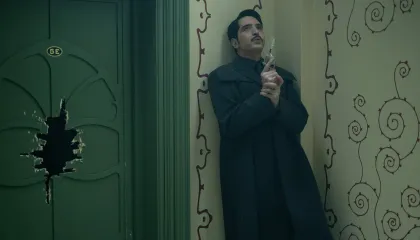
The directorial approach in Dust Bunny is refreshingly experimental while maintaining a coherent narrative structure. The director employs long, lingering shots that allow the audience to soak in the details. The interplay of natural light with contrasting shadows lends the movie an ethereal quality, suggesting that beauty often resides in places we normally overlook. This dynamic use of cinematography is backed by a measured pacing, allowing the story to unfold organically. The resulting effect is a film that is both contemplative and engaging, perfectly suited for those who appreciate film as an art form.
The creative decision to let the camera linger on moments that might otherwise be dismissed as trivial is both a bold and thoughtful gesture. In many scenes, quiet interactions and the seemingly unremarkable textures of everyday urban landscapes are given prominence. This technique imbues Dust Bunny with a meditative quality that encourages the viewer to find solace and even inspiration in the mundane. In an era where high-octane narratives dominate mainstream cinema, this film’s introspective nature stands as a reminder of the power of subtle storytelling.
The Visual Soundscape
The sound design in Dust Bunny further enhances the cinematic experience. There is an artful blend of ambient noises and a haunting musical score that together create an auditory landscape reflective of the protagonist’s inner world. The harmony between the diegetic and non-diegetic sounds invites viewers to embark on a sensory journey as the movie transitions between moments of quiet introspection and bursts of emotional intensity. This auditory depth is a clear indication of the film’s commitment to exploring the realms of human sentiment through every frame and note.
A Commentary on Modern Society
Beyond its artistic merits, Dust Bunny offers a subtle yet incisive critique of contemporary societal norms. The film illustrates how modern life often leaves little room for introspection, despite the constant accumulation of memories and experiences that shape our identity. The metaphor of the dust bunny serves as an effective symbol for the residue of societal pressure and the remnants of personal experiences that we eventually find ourselves confronting. Through clever narrative devices and an unorthodox storytelling style, the film suggests that introspection can lead to transformative self-realization.
The narrative deftly interweaves philosophical musings with realistic depictions of everyday challenges. It provokes thoughts about impermanence, the nature of self, and the transient beauty found in the simplest moments of life. Dust Bunny encourages audiences to look beyond the obvious and acknowledges that even in the fast-paced digital era—where we often choose to stream, download, or watch various content online—there is wisdom in embracing the slower, hidden rhythms of life. The film’s title itself becomes a metaphor that challenges viewers to reconsider what they deem insignificant and to find meaning in unexpected places.
An Unconventional Approach to Storytelling
Dust Bunny defies the traditional rules of the cinematic narrative. The film does not rely solely on dialogue-driven exposition but instead leverages visual and auditory cues to immerse the audience in its rich thematic tapestry. The playful yet thoughtful execution of scenes invites one to see beyond the literal and explore the symbolic within. As the film progresses, the boundaries between reality and metaphor blur, urging viewers to engage in a mental dialogue—a conversation that extends far beyond the confines of the cinema hall.
This unconventional approach is balanced by a coherent narrative thread, which rewards viewers who are willing to invest their attention into deciphering the underlying messages. Without resorting to overt sensationalism, Dust Bunny challenges its audience to appreciate the art of subtlety. Every glance, every lingering shot, and every carefully composed frame contributes to the overall atmosphere that makes the movie a rich experience for film enthusiasts who value depth over spectacle.
The Role of Digital Access in Modern Cinema
The current digital age has significantly altered how we experience films. Dust Bunny perfectly dovetails with this transformation, as it is readily available for audiences who wish to watch, stream, download, and eventually enjoy it free of geographical and time constraints. The film is accessible on unblocked online platforms, making it an excellent candidate for those who prefer the convenience of streaming movies without the hassle of physical formats. Its availability ensures that every enthusiast, regardless of location, can venture into its visually striking world.
This digital approach not only broadens the film's accessibility but also aligns with its thematic core. Much like the.movie’s quiet protagonist, whose journey is reflective and internal, the film’s digital dissemination philosophy emphasizes personal discovery and introspection. As we witness a shift in how we consume art, Dust Bunny serves as a reminder that the journey of artistic appreciation can be as fluid and accessible as the digital networks that bring these creative endeavors to life.
Evolution of Viewing Preferences
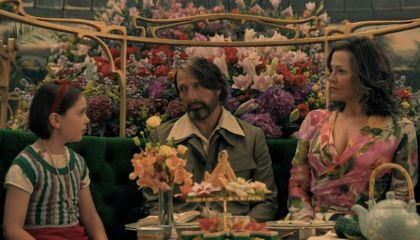
Viewers today expect more than just a traditional cinema outing; they seek a holistic experience that involves interactive engagement, convenience, and the ability to tailor their film consumption to personal schedules. Dust Bunny meets these expectations head-on. The film's structure is well-suited for digital platforms, offering a narrative that translates well into the intimate setting of home theaters and personal devices. The rich color palettes and nuanced sound designs are amplified through modern streaming technology, ensuring that the essence of the film isn't lost. Audiences can seamlessly watch, stream, and even download the film, all while enjoying high-quality visuals and sound in the comfort of their own space.
Moreover, the film’s perfect integration with digital distribution channels speaks volumes about its forward-thinking production ethos. Its availability across various online avenues not only widens its reach but also enhances moviegoers' experiences by aligning with contemporary media consumption trends. Dust Bunny stands as a pioneering work that embraces the new norms of film watching, inviting viewers to experience the movie on platforms that are unblocked and easy to access, regardless of when or where they choose to indulge in cinematic art.
Final Impressions and Reflections
The beauty of Dust Bunny lies in its ability to be both a contemplative study of life’s minutiae and an engaging cinematic experience. It is a film that does not conform to the conventional norms of linear storytelling; instead, it dares to be introspective, symbolic, and richly layered. For viewers who appreciate a narrative that invites multiple interpretations, the film opens up spaces for interpretation and reflection. Instead of offering clear-cut answers, Dust Bunny challenges its audience to ask their own questions and embark on an internal dialogue that continues long after the credits roll.
In conclusion, Dust Bunny is a remarkable addition to the realm of contemporary cinema. It is an invitation to pause and reflect on the unseen beauty in everyday life—a call to recognize that sometimes the most compelling narratives are found in the simplest of moments. With its availability on various unblocked platforms, audiences can conveniently watch, stream, download, and experience this thought-provoking film free online. Its artful exploration of character and space, combined with a narrative that redefines subtlety, makes it a must-see for anyone who values film as a medium for deeper understanding of the world.
For those who embrace the modern era of digital cinematic experiences, Dust Bunny offers a compelling and artful journey that transcends traditional filmic boundaries. Every scene is a careful meditation on life, inviting film enthusiasts to reconsider what truly matters. Whether you are streaming it on an overnight binge session or downloading it for a reflective evening at home, Dust Bunny has the power to change the way you perceive everyday moments.
How to watch Dust Bunny online
Currently, Dust Bunny is available on several online platforms. Viewers can stream the film on popular services that offer both free and subscription-based options. Depending on your region, you might find free versions on reputable channels or may need to subscribe to platforms that provide a high-quality download option for offline viewing. The American age rating for Dust Bunny is PG-13, meaning it is not recommended for children under 13 without parental guidance.
For those considering where to watch the film, Netflix provides a trial period with an option to download for offline viewing. Amazon Prime Video offers the chance to rent or purchase Dust Bunny, with trial periods available and offline access in their app. Apple TV supports both purchase and rent options, ensuring high-definition quality along with a download feature. Peacock provides both free and premium streaming tiers with download conditions that vary by plan, while Hulu offers a trial option with certain limitations on downloads. Additionally, YouTube (Movies) features rent and buy options, with easy download availability through its dedicated app. This diverse availability across platforms makes it convenient for every film enthusiast to find a way that permanently fits their viewing style.
Pros

- Engaging atmospheric cinematography that immerses the viewer
- Thought-provoking narrative that encourages introspection
- Innovative direction and creative use of visual motifs
- High-quality sound design that complements the emotional depth
- Accessible on multiple digital platforms for diverse audiences
- Rich character development that offers multiple layers of meaning
Cons

- Pacing may feel slow for those expecting a traditional narrative arc
- Abstract storytelling may not appeal to all viewers
- Experimental approach could be challenging for a mainstream audience
Screenshots