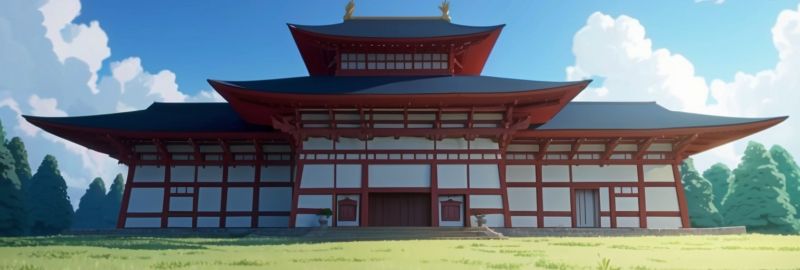
This article explores Studio Ghibli’s response to a recent trend involving automated art imitating its distinctive style, and how the studio has chosen to engage with these developments.
Some time ago, various computer-generated renditions of well-known cultural works began appearing online, presenting imaginative versions as if they were created by Studio Ghibli. One notable instance featured a reinterpretation of a famous high-fantasy epic.
While several digital creators expressed strong discontent and even hinted at legal challenges, the animation studio opted for a quiet approach. Before long, the initial excitement dwindled as the phenomenon lost momentum.
In a recent interview with a prominent national newspaper, Studio Ghibli’s chairman and producer, Toshio Suzuki, explained that the imitation artworks were so transparently artificial that they failed to capture any genuine artistic value. He emphasized that even the most basic understanding of traditional animation reveals their lack of depth.
Furthermore, the studio’s celebrated co-founder, who "has been a key influence in revolutionizing the art" of animation, appears to be unfamiliar with the newer generative technologies. The renowned artist, who has not been visible in the public sphere since his latest successful film in 2023, is reportedly secluded while preparing another highly anticipated work.
Key observations include:
- The AI-generated interpretations quickly became a temporary online phenomenon.
- The studio deliberately refrained from engaging directly, preferring to let the trend pass.
- Leaders at Studio Ghibli maintain that genuine artistic creation is rooted in human ingenuity, a quality that computer algorithms cannot replicate.
In summary, Studio Ghibli envisions its continued evolution as a testament to the unique human capacity for creativity, setting it apart from the superficial imitations produced by emerging technologies.