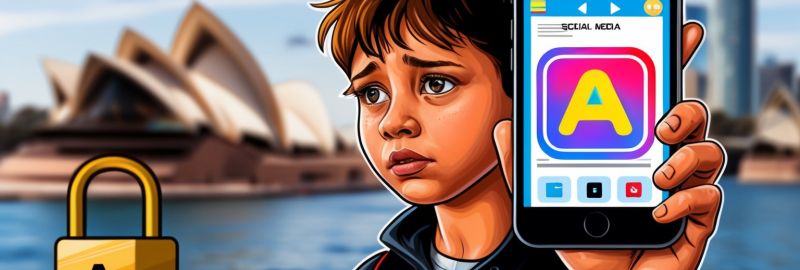
This analysis explores how Australia’s recent social media measures, designed to restrict access for users under 16, have not met their intended goal. The findings reveal shortcomings in the initial verification process, prompting concerns over the effectiveness of the new regulations.
Since the implementation of the laws in December last year, platforms such as Instagram, Snapchat, and YouTube have been required to limit account creation for minors. Despite these mandates, recent investigations have shown that numerous individuals below the age threshold continue to register and use these services. In an effort to enforce compliance, authorities have increased the penalties for major tech companies, yet the technical evaluations indicate that the process for confirming age at the account setup stage is inadequate.
Experts identified that the problem lies not with the later stages of verification, such as the image-based method, but with the preliminary estimation of a user’s age based solely on general online activity. This introductory check, rather than prompting more rigorous validation when a user appears to be underage, often fails to flag the need for additional scrutiny. While one streaming service demonstrated a different approach, most social media platforms continue to operate without addressing this critical flaw.
- Regulations came into effect in December last year.
- Popular platforms remain accessible to many underage users.
- Increased penalties have not remedied the initial verification issue.
- Reliance on online activity for age estimation is proving unreliable.